The fintech space is among the prime targets for innovation today. However, as digital financial services grow, so do cyber risks. Cybersecurity in fintech has become a critical priority as organizations manage sensitive financial data, digital payments, and investment platforms. With the global average cost of a data breach crossing $4.88 million, robust cybersecurity in fintech is no longer optional — it is essential.
Let's try to better understand the importance of fintech app security solutions, the evolving cyber threats, and how you may find Seasia Infotech's cybersecurity services helpful.
Why Cybersecurity in Fintech Matters More Than Ever
The vast fintech ecosystem comprises of a wide range of services and applications. The list includes digital payment platforms, robo-advisors for investment management, peer to peer lending services, and even digital only banks. But do you ever ponder what is the driving force behind these innovations?
Well, it's the integration of technology and finance that lets users per be protected with top-tier fintech security solutions. When you do not ensure cybersecurity in fintech, you are setting yourself up for financial losses and regulatory repercussions!

Rising Cyber Threats in Fintech Software Solutions
The cybersecurity fintech landscape is becoming more perilous with each passing day, thanks to all the sophisticated threats emerging at an unprecedented rate. As cybercriminals continue finding new ways to exploit vulnerabilities, it is vital that companies start taking fintech app security more seriously.
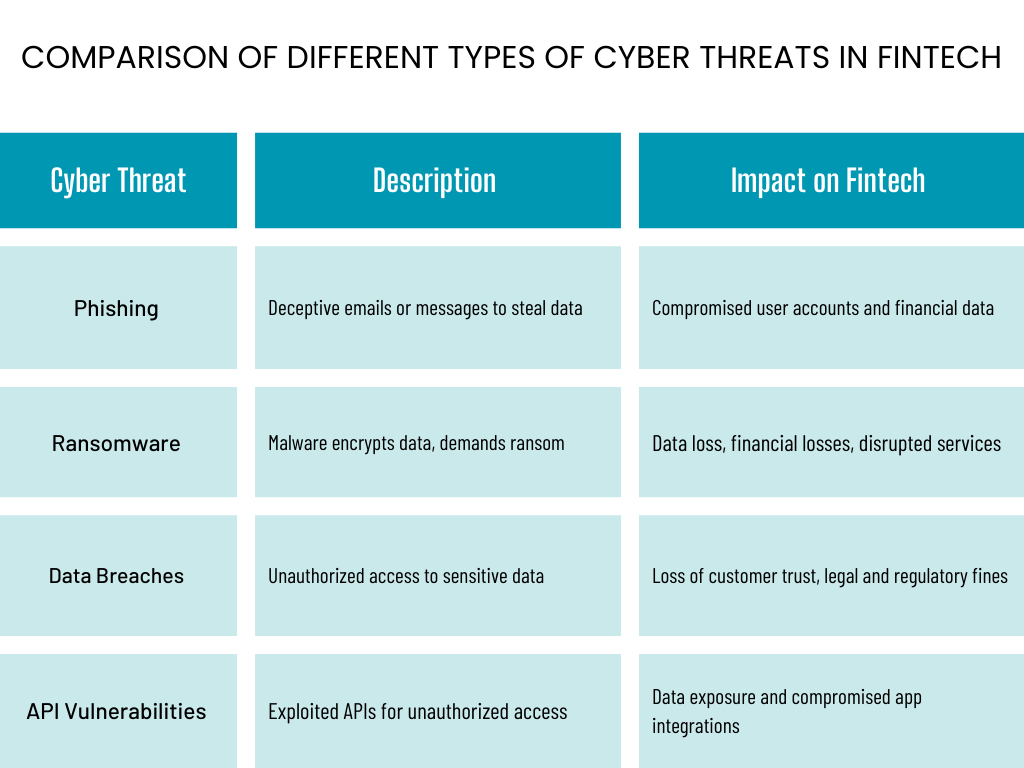
Here is a quick rundown of the most common cyberthreats fintech apps currently face.
Phishing & Social Engineering
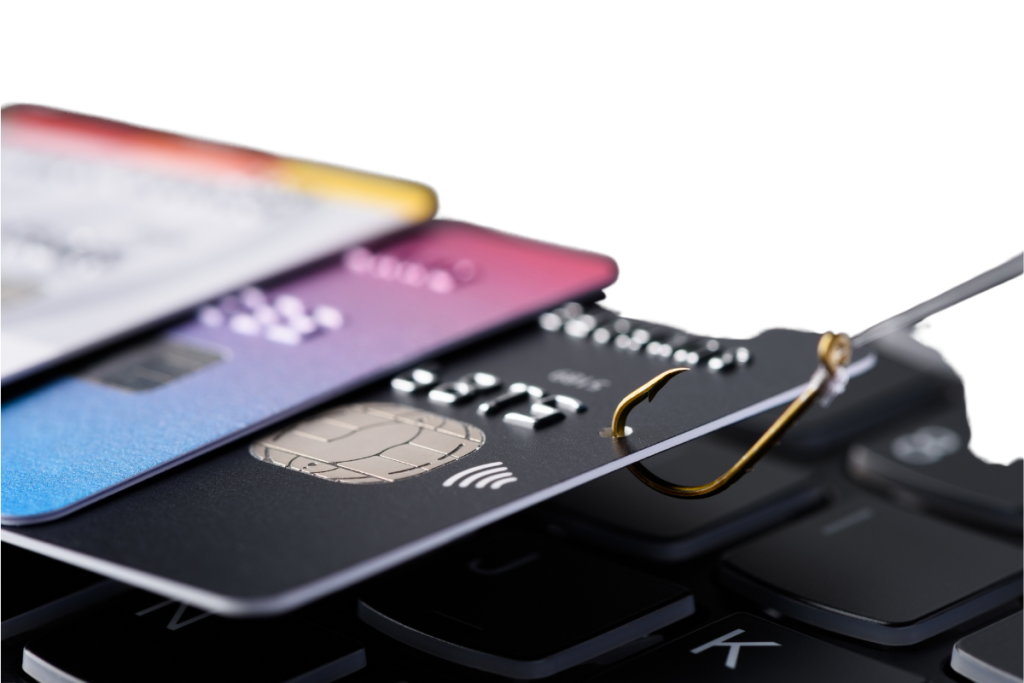
Hackers use sneaky tricks to fool users into giving away confidential information. These attacks often show up as fake emails or login pages that look like real banks. The goal? To steal sensitive data like passwords and credit card numbers.
Ransomware
Cybercriminals use ransomware to lock up a company's data and ask for money for its release. A ransomware attack can stop a fintech software solution from working and might cause the loss of key financial data.
Data Breaches
Data breaches often wreak havoc as they can expose private information & financial records. In recent years, high-profile data breaches have caused huge financial losses & long-lasting harm to customer trust.
API Vulnerabilities
APIs play a crucial role in fintech apps because they allow smooth data sharing and connection with other services. However, remember that unprotected APIs can give attackers a way to get into data without permission.
DDoS Attacks
DDoS (Distributed Denial of Service) attacks flood a network to block users from accessing services. These pose a threat because even brief downtime in a fintech software services can lead to significant monetary losses & unhappy customers.
As attackers incorporate AI & ML to automate and strengthen their attacks, fintech firms must invest in equally advanced cybersecurity services.
Role of Cybersecurity in Fintech
Knowing that there are high stakes involved, cybersecurity in fintech is among the topmost concerns for companies. Here are some more reasons why security in fintech is non-negotiable.
Financial Data Sensitivity
Fintech apps manage tons of sensitive financial information including banking details & transaction histories. If this data ever falls into the wrong hands, it can lead to identity theft, financial fraud, and catastrophic losses for both consumers and businesses on various occasions. Data encryption and secure data storage mechanisms are critical to ensure this information remains protected.
Regulatory Compliance
Fintech companies operate in a heavily regulated environment, and that explains why they must comply with various local and international regulations, such as PCI DSS, GDPR, and SOX. Non-compliance with these regulations can result in hefty fines and legal ramifications. Effective cybersecurity measures in fintech ensure adherence to these regulations and safeguard against potential legal issues.
Customer Trust
Trust is the foundation of any financial service. A single cybersecurity incident can erode years of built-up trust, driving customers away and damaging your brand's reputation. In an industry where competition is fierce, maintaining a strong security posture is of utmost importance if you want to retain and attract customers.
Financial Stability
For startups and small-scale fintech mobile application development companies, the financial impact of a cyberattack can be crippling. Recovering from a major breach often involves costly damage control efforts, compensation to affected customers, and regulatory penalties. Additionally, the cost of reputational damage can be even higher! In 2023, the FBI reported over 880,000 online fraud complaints, with potential losses exceeding $12.5 billion, 22% increase from the previous year. No, you don't want to bear it.
Further Reading: Key Trends in Cybersecurity Services
Key Components of a Strong Cybersecurity in Fintech Framework
Establishing a comprehensive fintech cybersecurity framework is the key to securing operation of any platform. Here, we have explained the main components of an all-inclusive framework for ensuring cybersecurity in fintech.
Data Encryption
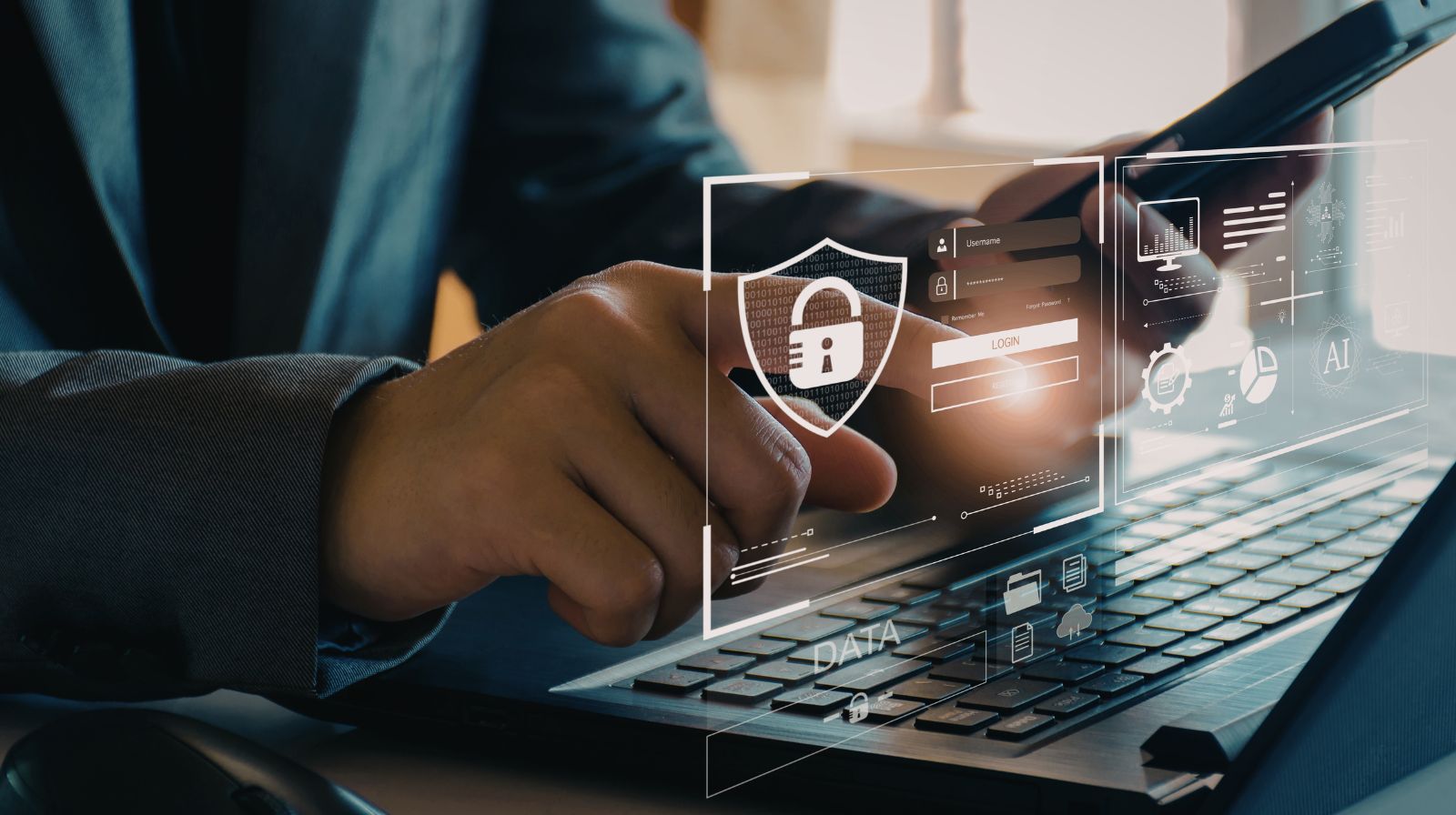
Encryption plays a key role as it is helpful in keeping data unreadable to outsiders even if someone intercepts it. Fintech apps should use top-tier encryption standards to provide the best protection. They should also put secure protocols, like HTTPS, in place to guard data transmissions.
Authentication & Authorization
Putting multifactor authentication into action has an impact on cutting down the chances of unwanted entry. This involves asking for several ways to prove identity, like passwords, biometric data, or OTPs. Access rules based on job roles matter just as much, as they set limits on who can use the system based on what each individual does at work.
Securing APIs
APIs are integral to fintech apps but can become security weak points if not properly managed. It's important to implement strong authentication methods, data validation, and rate limiting. Regular API security testing and adopting API gateways are also effective ways of helping prevent unauthorized data exposure and misuse.
Regular Security Audits & Penetration Testing
Running frequent security checks and penetration testing helps spot and fix weak points before malicious actors can take advantage. These tests copy real cyber-attacks and let fintech companies beef up their defenses ahead of time.
Fraud Detection & Prevention Mechanisms
Leveraging artificial intelligence solutions enables real-time detection of suspicious activities. These technologies can learn user behavior patterns and quickly flag anomalies, such as unusual login attempts or large transactions from unverified locations.
Secure SDLC
Security needs to be a part of the software development process since the very beginning. This means using safe coding methods, looking over code often to find weak spots, and using automatic security tools while building the software.
Incident Response Plan
A thorough incident response plan plays a crucial role in reducing harm whenever a breach occurs. This plan should specify how to spot, limit, and fix an attack. It should also lay out how to talk to stakeholders, regulators, and customers affected by the breach.
How Seasia Infotech Can Help Secure Your Fintech Apps
At Seasia Infotech, we understand the unique cybersecurity challenges fintech companies face. Our team of experts specializes in providing comprehensive, tailored cybersecurity services designed to protect sensitive financial data and ensure compliance with industry regulations.
Our comprehensive range of fintech app security solutions includes security audits, vulnerability assessments, penetration testing, API security, fraud detection and prevention, and incident response and recovery, among others.
_1.png)
To Sum It Up
Cyber threats are advancing at the same pace as the fintech industry, making cybersecurity in fintech a strategic investment rather than a technical afterthought. Organizations that prioritize cybersecurity in fintech today will build stronger customer trust, regulatory compliance, and long-term financial resilience.
For more information or to discuss your specific needs, schedule a consultation right away!