_2.png&w=2048&q=75)
The EV revolution is in full swing, and the fact that the global EV sales are expected to reach 71.6 million units by 2035 highlights the need for robust EV charging infrastructure. And owing to this rapid rise in EV adoption, there is this urgent need for a robust and efficient EV charging infrastructure that could fully support this growing demand. Here, it becomes important to highlight that traditional power grids are incapable of keeping up, especially as far as peak load management and energy distribution is concerned. Smart grids are bringing a shift! This transformative technology is completely redefining how we manage and distribute electricity for EV charging.
Smart grids lay a solid foundation for a sustainable and future-proof EV charging infrastructure by enabling real-time monitoring, efficient energy distribution, and seamless integration with renewable energy sources like solar energy. Let's dive right in to get a better understanding of smart grid solutions and their impeccable role in strengthening the future of sustainable energy.
Challenges with Traditional Grids in EV Charging
Before we begin our quest for the solutions, it is important that we understand the problem statement. As the number of EVs continues to climb, conventional power grids face several challenges that could potentially slow down the widespread adoption of electric vehicles. These challenges include:
Peak Load Management: It is not uncommon for traditional grids to experience spikes in demand during peak hours. With several EVs charging in large numbers simultaneously, these spikes can often lead to grid overloads, especially within EV charging infrastructure.
Energy Wastage: Inefficiencies in power distribution directly contribute to wastage of energy during periods of low demand. This inefficiency can be costly for both consumers and grid operators.
Limited Integration with Renewables: Conventional grids struggle with fully incorporating renewable energy sources like solar and wind, making it harder to achieve sustainability goals in EV charging.
In fact, according to a recent report from the U.S. Department of Energy, EVs could increase peak electricity demand by at least 25% in the next five years in regions with high adoption rates. This puts the spotlight on the urgency for smarter solutions that are not only ready to deal with fluctuating demands but also improve grid resilience.
.png)
How Smart Grids Work
Now, let’s take a quick look at how smart grids work. Smart grids are intelligent power distribution systems that help scale EV charging infrastructure efficiently. These systems use real-time data, advanced communication networks, and AI-driven analytics to optimize the flow of electricity between power generation and end-users. Unlike traditional grids, smart grids enable bi-directional energy flow, which is essential for scaling EV charging infrastructure efficiently.
Key Features of Smart Grids
Real-Time Monitoring: By tracking electricity consumption continuously, smart grids identify when and where energy is needed the most.
Demand Response: Smart grids can respond to peak load conditions and adjust energy distribution accordingly to avoid overloading the system.
Energy Storage: These modern grids use advanced energy storage systems to save excess electricity, which can be deployed during high-demand periods.
Integration with Renewables: Smart grids can seamlessly integrate renewable energy sources to ensure EV charging infrastructure operates using clean energy whenever available.
Benefits of Smart Grids for EV Charging Infrastructure
Smart grids offer several key advantages that make them ideal for supporting the growing EV charging infrastructure needed for the EV market. Some of these are explained below.
Efficient Energy Distribution
Smart grids optimize energy flow for EV charging infrastructure based on real-time data, ensuring efficient use of available power. This data-driven decision making helps ensure that EV charging stations receive the necessary electricity during peak hours while reducing wastage during off-peak periods. For example, a smart grid can prioritize charging when renewable energy generation is at its peak, making EV charging not only more efficient but also more environmentally friendly.
Cost Savings for Consumers and Operators
Smart grids enable dynamic pricing, which adjusts electricity costs based on supply and demand. EV owners can take advantage of lower rates during off-peak hours, leading to significant cost savings. According to a study by McKinsey, smart grids could reduce energy costs by 10-15% for both consumers and grid operators.
Read Here: How Seasia Infotech's E Scooter App is Contributing to Sustainability
Enhanced Reliability and Stability
By distributing electricity more evenly and storing excess power, smart grids reduce the risk of blackouts and brownouts, even during periods of high demand. This ensures that EV charging stations remain operational and reliable at all times, preventing grid overloads.
Faster Charging Times
With smart grids, charging stations can operate more efficiently, reducing the time it takes to fully charge an electric vehicle. By optimizing the energy supply, smart grids help deliver power more quickly and effectively to charging stations.
.png)
The Role of Data Analytics and AI in Smart Grids
Smart grids are only as effective as the data they use. Data analytics and artificial intelligence (AI) play a critical role in making smart grids "smart". These technologies allow the grid to predict energy demand, optimize load distribution, and detect potential issues before they become problems.
Predictive Analytics for Energy Demand
Using historical data and real-time inputs, smart grids can forecast when and where energy will be needed most. For instance, predictive models can anticipate EV charging surges during specific times of day or in certain locations and adjust energy distribution accordingly. Many fleet management software solutions find these predictive analytics useful, our Better Fleet Platform is a prime example.
Machine Learning for Grid Optimization
Machine learning algorithms can continuously learn from data, improving the grid's ability to balance supply and demand. This, backed by our IT infrastructure services, results in a more efficient grid that can allocate resources where they're needed most, minimizing waste and maximizing performance.
Real-Time Problem Detection
Smart grids use real-time monitoring to detect potential issues, such as overloading or equipment failure. When a problem is identified, the system can automatically adjust the flow of electricity or shut down affected areas, ensuring minimal disruption to EV charging management software services.
Cybersecurity for Smart Grids
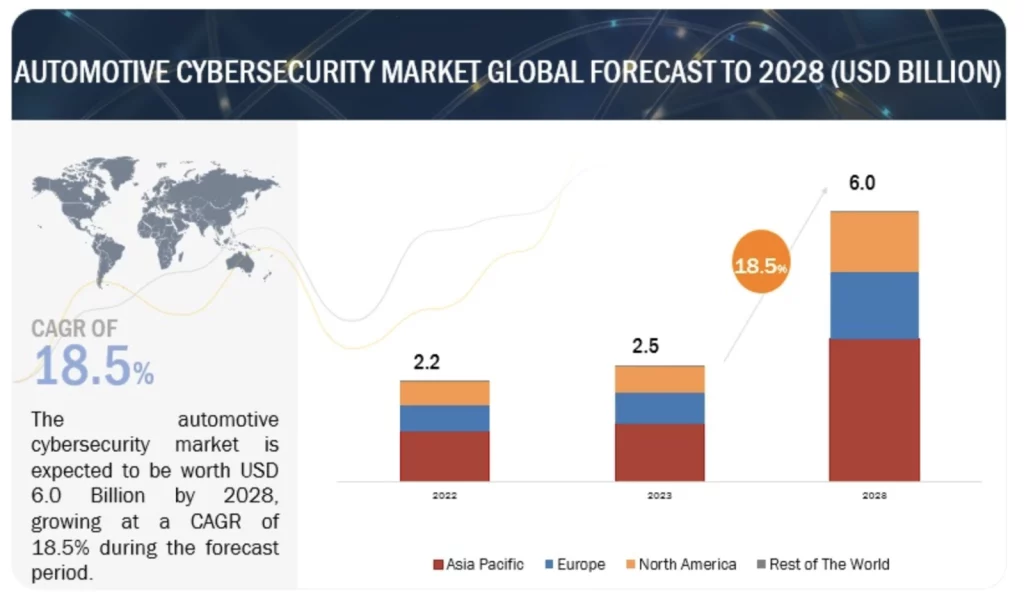
As power grids become more digitized, they also become more vulnerable to cyber-attacks. Securing smart grids using cybersecurity services is essential for maintaining the reliability of EV charging infrastructure. In fact, the global cybersecurity market for smart grids is expected to grow at a CAGR of 18.5%, reaching 6 billion by 2028.
We have also put together a list of the latest cybersecurity trends.
Key Cybersecurity Measures:
Encryption: Secure communication between smart grid components to prevent unauthorized access.
Intrusion Detection Systems (IDS): Monitoring network activity for any signs of malicious behavior.
AI-Enhanced Security: Machine learning algorithms that can detect and respond to cyber threats in real time.
.png)
Real-World Examples of Smart Grids in EV Charging
Several regions around the world have started implementing smart grid technology to enhance their EV charging infrastructure, ensuring efficient energy use. For instance:
California: The state's b aims to integrate smart grids with renewable energy to support EV adoption.
The Netherlands: Known for its advanced EV infrastructure, the Netherlands has implemented smart grids in cities like Amsterdam, ensuring efficient energy distribution for thousands of EVs.
Germany: The country is investing heavily in smart grid technology as part of its Energiewende initiative, which focuses on integrating renewable energy into the grid.
The Future of EV Charging with Smart Grids
Looking ahead, smart grids are poised to play an even greater role in shaping the future of EV charging infrastructure. Emerging technologies like wireless EV charging, vehicle-to-grid systems, and AI-driven energy management will further enhance the capabilities of smart grids, making them indispensable in achieving global sustainability goals.
Governments around the world are also stepping up to promote the adoption of smart grids. For example, the European Union's Green Deal aims to install over 1 million public EV chargers by 2025, supported by smart grid technology.
Conclusion
The integration of smart grids with EV charging infrastructure is a game-changer for both consumers and grid operators, ensuring a sustainable future. By improving energy efficiency, lowering costs, and enabling seamless integration with renewable energy sources, smart grids provide the foundation for a sustainable and reliable electrical vehicle charging infrastructure. As the demand for electric vehicles continues to rise, smart grid technology will play a crucial role in ensuring that our power grids are ready for the future.
If you're looking to develop or optimize smart grid solutions for EV charging infrastructure, our team of experts at Seasia Infotech is here to help. We offer custom software development, consulting, and implementation services tailored to your specific needs. Contact us today to learn more.