
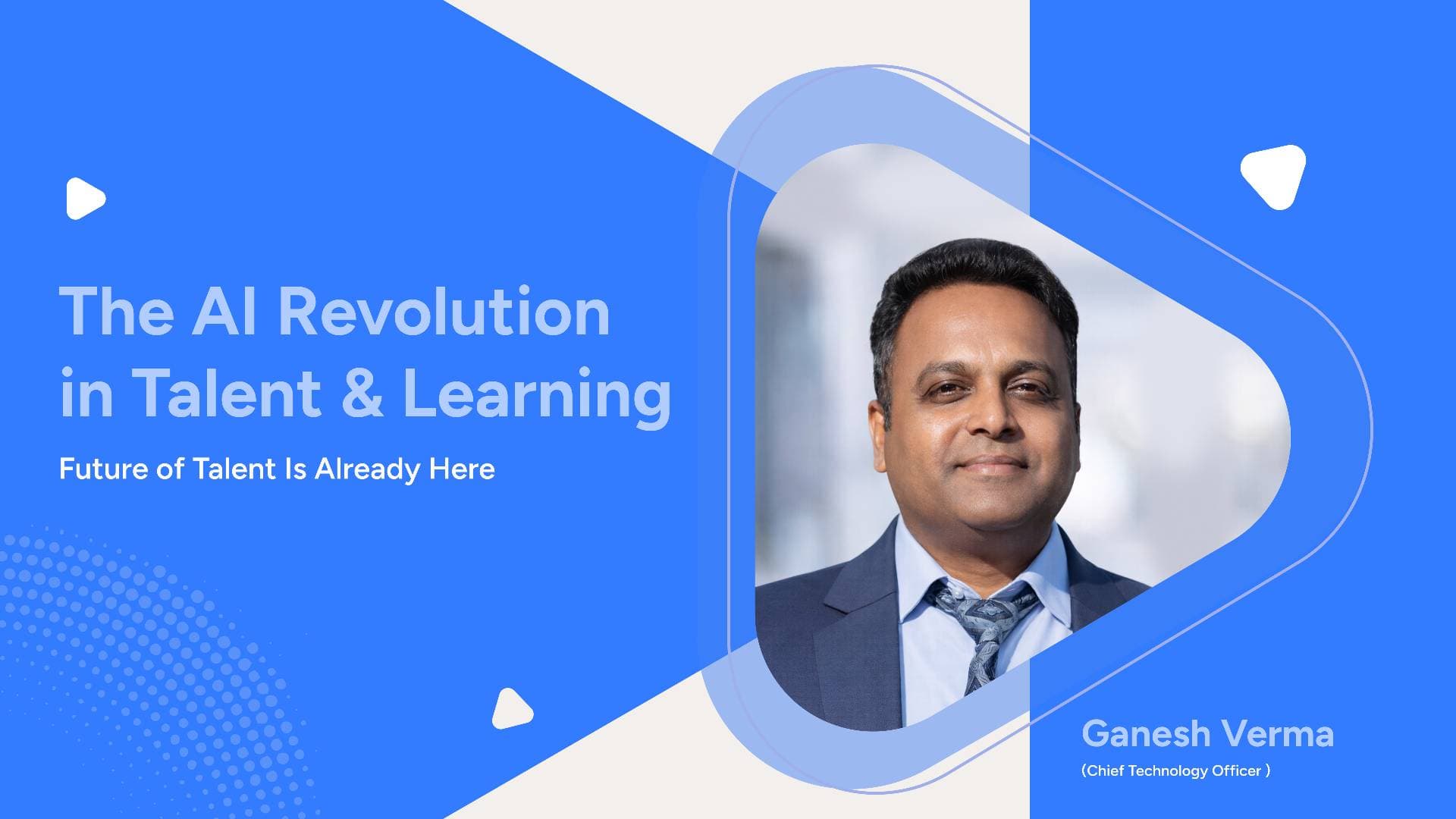
 Engineering Culture & Innovation
AI Is Reshaping How We Hire, Onboard, and Upskill — And Leaders Who Ignore It Will Fall Behind
As someone who sits at the intersection of technology and strategy every single day, I have learned one thing with certainty: competitive advantage rarely comes from incremental tweaks. It comes from bold, well-timed adoption of transformative technologies. Right now, no technology is more relevant to that equation than artificial intelligence.
The surge in AI capabilities is fundamentally reshaping how organizations hire, onboard, and upskill their people. This is not a future trend — it is happening inside companies that are quietly pulling ahead. And as CTO overseeing engineering, product, and delivery across the Seasia Group — I see the impact of these changes flowing directly to organizational agility, team quality, and the bottom line.
Let me share what that looks like in practice.
Hiring: Moving from Gut Instinct to Intelligent Selection
Not long ago, our talent pipeline relied heavily on manual resume sorting and interview gut-feel — methods that are time-consuming and susceptible to unconscious bias. The hiring manager's intuition, however well-intentioned, can only process so much signal.
AI-driven recruitment platforms have changed that calculus entirely. These systems analyze thousands of candidate profiles in the time it would take a recruiter to read twenty resumes. More importantly, they surface candidates who match not just on technical skills, but on indicators of cultural fit, long-term retention, and growth potential. At Seasia, our AI and Machine Learning capabilities are now deeply embedded in how we approach internal talent decisions, not just client projects.
"The best hire is not the one who looks best on paper. It is the one most likely to stay, grow, and raise the standard of everyone around them. AI gives us a better shot at finding that person."
Natural language processing tools can now deeply interpret resume language, GitHub activity, and professional footprints to understand how a candidate actually works. NLP and Computer Vision technologies — the same ones we deploy for clients — are actively reducing bias in our own job descriptions and interview frameworks, flagging language that quietly filters out strong candidates before they ever apply.
Onboarding: The First 90 Days Decide Everything
Most organizations underinvest in onboarding, and they pay for it in the first 90 days. A new hire's integration experience is their first real read of company culture, process maturity, and whether leadership has thought carefully about how people succeed here. Get it wrong, and you lose them — often before they ever reach full productivity.
AI-enabled onboarding tools — adaptive learning platforms, HR chatbots with genuine contextual intelligence, automated compliance workflows — allow organizations to personalize the experience at scale. Our own Intelligent RPA solutions and BPM automation frameworks have helped eliminate hours of administrative overhead from new hire processes, freeing our people operations team to focus on the relationship-building that no system can replicate.
The results are significant: faster ramp-up to full productivity, fewer early-tenure mistakes, stronger initial engagement scores. A new hire receives a path tailored to their specific background, role, team, and learning style — not a generic orientation checklist.
"Onboarding is not HR administration. It is the first 90 days of your organization's most important relationship with a new team member. AI helps us get those 90 days right."
Upskilling: The End of One-Size-Fits-All Training
AI unlocks genuinely adaptive learning journeys. Our systems analyze an engineer's current skillset, their role requirements, performance trajectory, and stated development goals — then curate a path that actually fits. Not a catalogue of courses to scroll through, but a directed sequence tied to their next real move.
Skill gap analysis maps what a team can do today against what a project demands tomorrow. Continuous feedback loops — drawing on peer input, manager assessments, and delivery data — build a predictive view of each person's growth ceiling before they hit it.
This is the same muscle we flex for clients. Our predictive analytics work helps a retail brand forecast demand six months out. The same underlying capability tells us which engineer is quietly approaching a skills wall — and gives us time to intervene before it becomes a retention problem.
Why This Is a CTO Responsibility — Not an HR One
I want to address something I see often in leadership conversations: the tendency to treat AI in talent operations as an HR initiative that technology leaders should bless but not own. I think that framing is wrong.
The promise of AI in people operations is not simply efficiency — it is organizational capability. When you improve hiring precision, you improve the quality of every engineering decision made for the next five years. When you improve onboarding, you accelerate the point at which new talent starts compounding in value. When you improve upskilling, you extend the productive window of your existing team and reduce dependency on external hiring cycles. These are digital transformation decisions with direct impact on product velocity, delivery quality, and competitive positioning.
Related Articles

The Future of Retail: How NCLC Is Becoming the Backbone of Digital Transformation
Explore how NCLC helps retail and wholesale businesses simplify operations, automate loyalty programs, and empower teams to deliver better customer experiences and adapt faster to changing demands.

The Hidden Environmental Cost of Artificial Intelligence
AI may feel effortless to users, but every query depends on energy, cooling and infrastructure. This article explores why the AI industry must make sustainability part of innovation.
The Rise of Autonomous SDLC: How AI Agents Are Redefining Software Delivery
Discover how Autonomous SDLC is reshaping software engineering with AI agents that automate development, testing, deployment, and governance while empowering teams to build better software faster.