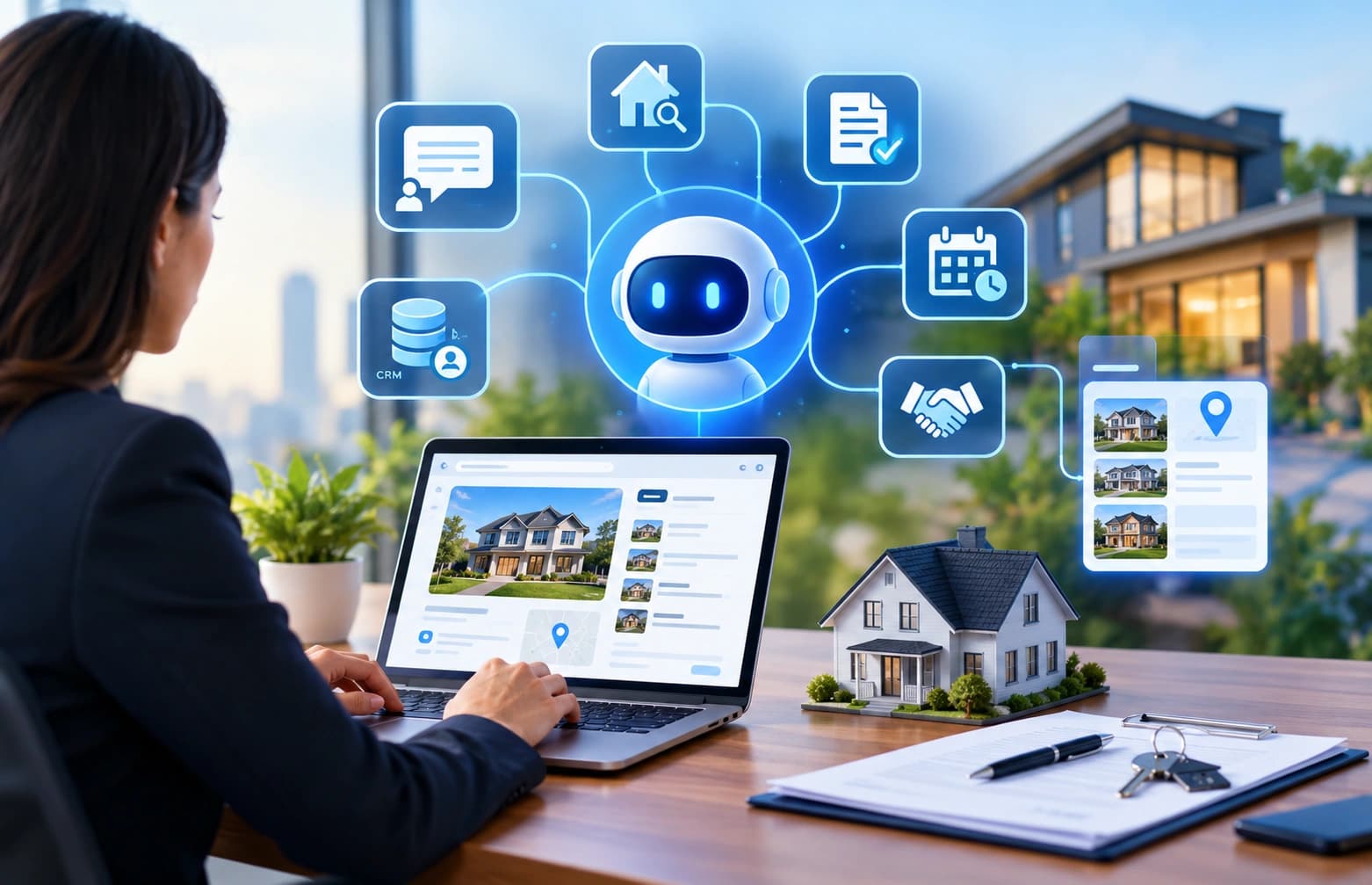
Automation is no longer enough in today’s digital-first world. Businesses are now moving toward intelligent digital transformation, where AI API integration plays a central role in connecting systems, accelerating decisions, and enabling continuous innovation.
From chatbots to predictive analytics, AI-powered APIs have ushered in a new era of enterprise agility where data, intelligence, and automation converge to deliver measurable impact. What began as simple automation scriptshas now evolved into autonomous intelligence, capable of learning, adapting, and optimizing workflows in real time.
APIs serve as the backbone of this revolution by bridging legacy systems with next-gen technologies and making AI accessible, scalable, and actionable across every industry. As we step into 2026, the spotlight shifts toward GenAI API integration, agentic AI, and real-time insight delivery, marking a turning point in how organizations achieve digital maturity.
What’s New in AI API Integration for 2026
As enterprises continue their digital transformation journeys, AI API integration is entering a new era of intelligence that blends automation with context-awareness and autonomy. The focus has shifted from connecting systems to creating connected intelligence where APIs understand business goals and act on them.
What’s New in 2025
Intelligent Orchestration Replaces Traditional Integration
2025 marks the transition from static, rule-based APIs to adaptive orchestration layers. These APIs can interpret intent, respond contextually, and coordinate multiple AI services within a single workflow.
Rise of Multi-Modal AI APIs
Enterprises are increasingly combining text, voice, image, and video APIs to deliver richer, more intuitive customer experiences. This shift especially supports industries like retail, healthcare, and automotive where real-time visual and conversational intelligence is a game changer.
LLM-as-a-Service (LLMaaS) Goes Enterprise-Grade
The rise of enterprise-tuned language models allows organizations to integrate domain-specific intelligence without the overhead of training or maintaining large models. Through APIs, businesses can embed reasoning, summarization, and content generation capabilities directly into their existing systems.
Edge + Cloud Hybrid APIs Drive Ultra-Low Latency
Hybrid deployments are enabling faster, more secure decision-making, particularly in manufacturing, EVs, and healthcare.
What’s Next in 2026
Autonomous AI Agents Become Integration Gateways
2026 will see the emergence of agentic AI systems capable of autonomously managing API ecosystems. These agents will trigger workflows, optimize API calls, and even self-heal integration pipelines to reduce human oversight while improving reliability.
Composable AI through API Meshes
The future is modular. APIs will evolve into “AI meshes,” where different micro-intelligences like sentiment detection, forecasting, and computer vision interconnect dynamically to deliver unified enterprise intelligence.
Quantum-Ready APIs
As quantum computing matures, quantum-compatible AI APIs will redefine optimization, encryption, and data processing speeds, particularly in industries that depend on high-performance computation like logistics, finance, and research.
Low-Code and No-Code AI Integration Platforms
Democratization will continue with visual integration builders that allow business users to connect AI services without writing code.
Ethical and Sustainable AI APIs
The next evolution of API ecosystems will prioritize energy-efficient architectures, explainability, and bias auditing, aligning intelligent automation with environmental and ethical imperatives.
At Seasia Infotech, we’re already helping enterprises embrace these shifts. Our engineers design secure, hybrid, and scalable AI API frameworks that enable organizations to adapt to tomorrow’s challenges, today!
How AI API Integration Drives Intelligent Digital Transformation
The evolution from simple automation to autonomous intelligence is redefining what it means to be a digital enterprise. In this new era, AI API integration connects technology, intent, insight, and impact.
By embedding intelligence at every interaction point, organizations can transform into learning systems that continuously adapt, optimize, and scale. Let’s look at how AI APIs are becoming the catalyst of intelligent digital transformation across modern enterprises.
1. Accelerating Innovation and Enterprise Agility
AI-powered APIs enable companies to build, test, and scale innovations faster than ever before. Instead of reinventing complex algorithms, enterprises can now integrate pre-trained AI capabilities via APIs to shorten development cycles and boost innovation velocity.
By leveraging hybrid edge-cloud integrations, teams can deploy solutions globally while maintaining local responsiveness.
2. Enabling Data-Driven Decisions Across Departments
Intelligent integration breaks down silos between marketing, operations, finance, and IT. Through real-time API connectivity, decision-makers gain access to unified insights derived from diverse data sources.
For instance, integrating GenAI APIs with analytics dashboards empowers leaders to ask natural-language questions and receive strategic insights instantly, improving speed-to-decision and organizational alignment.
3. Streamlining Operations with Autonomous Workflows
AI APIs are transforming enterprise operations into self-optimizing ecosystems. Agentic AI models can now monitor systems, detect anomalies, and initiate corrective actions autonomously to minimize downtime and manual intervention.
By combining MLOps with AIOps practices, Seasia ensures that intelligent workflows evolve with each iteration.
4. Delivering Personalized and Predictive Customer Experiences
Every interaction is an opportunity for intelligence. Through AI API integration, businesses can now predict customer needs, personalize responses, and optimize experiences in real time.
As GenAI and predictive AI converge, enterprises can deliver context-aware, human-like interactions to bridge the gap between automation and empathy.
5. Unlocking Continuous Learning and Adaptability
The true power of AI API integration lies in continuous learning. Modern APIs observe, analyze, and evolve. With every data interaction, models refine their predictions, enabling organizations to stay one step ahead of market trends.
Enterprises that embed feedback loops across their API ecosystem can measure impact, fine-tune performance, and sustain innovation at scale to transform into a perpetual growth cycle.
Key Industry Use Cases for AI API Integration
The next wave of intelligent digital transformation will be industry-driven. From real-time analytics to autonomous decision-making, AI-powered APIs are now embedded in every vertical.
Here’s how leading industries are leveraging AI API ecosystems to stay ahead.
Retail & E-commerce
Retailers are using multi-modal AI APIs to merge online, in-store, and mobile experiences into one seamless journey.
Visual search APIs enable customers to find products by uploading images.
GenAI recommendation engines curate personalized catalogs in real time.
Predictive APIs forecast demand, optimize inventory, and reduce return rates.
As voice commerce and AI shopping agents become mainstream, retailers will rely on intelligent APIs to deliver context-aware, conversational shopping experiences.
Healthcare & Life Sciences
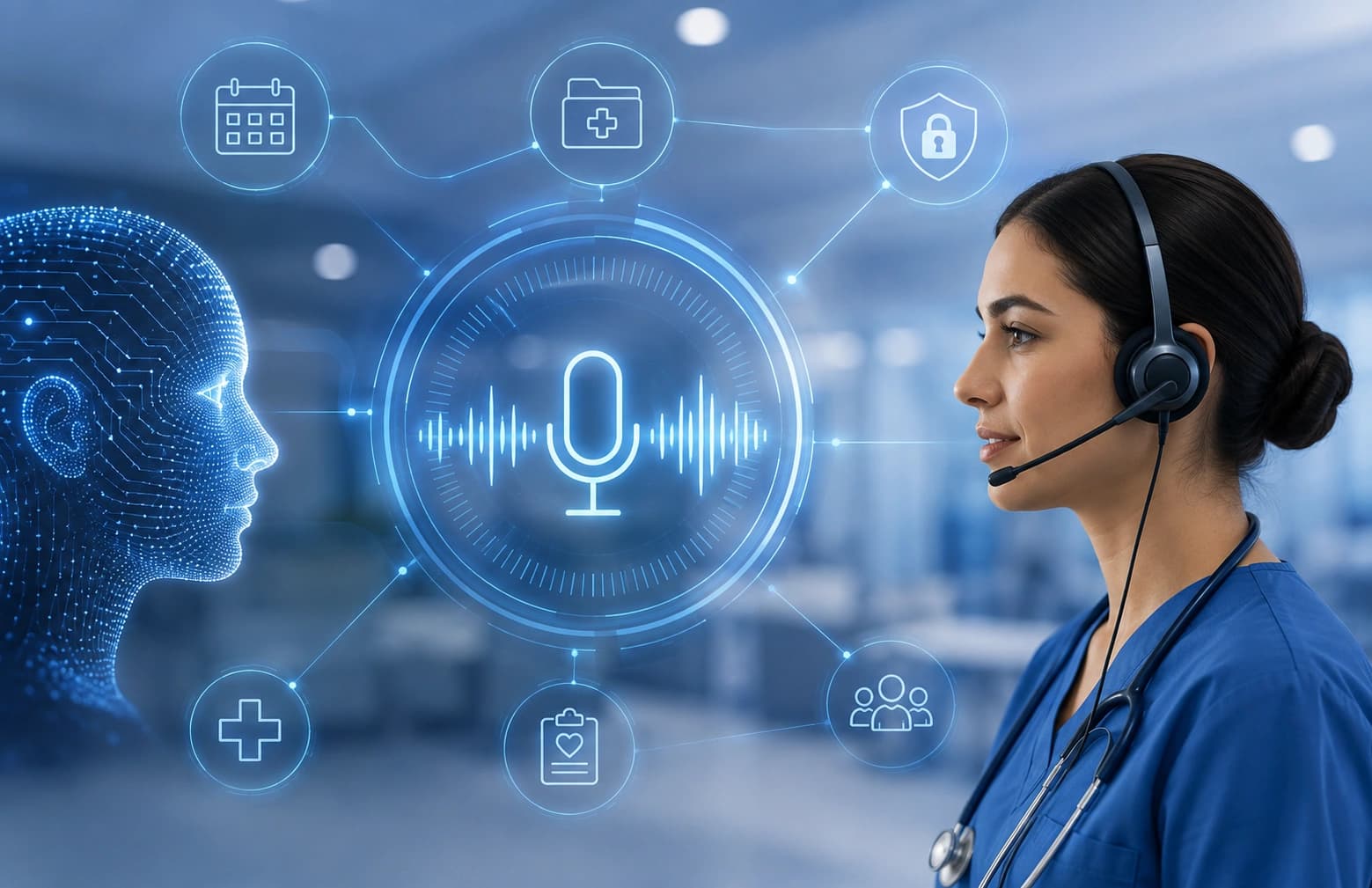
Healthcare organizations are moving beyond telemedicine toward AI-integrated ecosystems that unify diagnostics, patient engagement, and treatment optimization.
Image recognition APIs support faster and more accurate radiology interpretations.
NLP APIs help physicians analyze clinical notes and summarize medical histories.
Predictive analytics APIs forecast patient risks and hospital workloads.
By integrating edge AI APIs with medical devices and wearables, healthcare providers can deliver continuous, personalized care while maintaining compliance with HIPAA and GDPR.
Finance & Banking
The financial sector is leveraging AI API integration for everything from fraud detection to dynamic customer engagement.
Transaction pattern APIs identify anomalies and prevent fraud in milliseconds.
Credit scoring APIs automate loan approvals using AI-driven behavioral models.
Conversational AI APIs power chatbots and advisory tools for personalized banking.
By 2026, expect quantum-ready APIs to enter the FinTech ecosystem.
Automotive & Electric Vehicles (EV)
AI APIs are redefining the automotive landscape, powering connected vehicle ecosystems that learn, adapt, and communicate in real time.
Telematics APIs gather and analyze driving data for predictive maintenance.
Computer vision APIs enable driver monitoring, lane detection, and safety automation.
Energy optimization APIs help EVs calculate charging routes and battery efficiency.
In 2026, agentic AI systems will coordinate vehicle-to-cloud and vehicle-to-vehicle (V2V) communications, accelerating the transition to fully autonomous mobility.
Education & HR Tech
Education platforms and enterprises are embracing AI-powered APIs to create personalized and adaptive learning environments.
GenAI APIs generate custom learning content based on skill gaps.
Assessment APIs use NLP to grade subjective answers and detect plagiarism.
Recruitment APIs in HR Tech use AI to match candidates to roles faster and more accurately.
By integrating LLM-as-a-Service into learning management systems (LMS) and HR portals, organizations can unlock intelligent career pathing and real-time skill recommendations.
Manufacturing & Industry 4.0
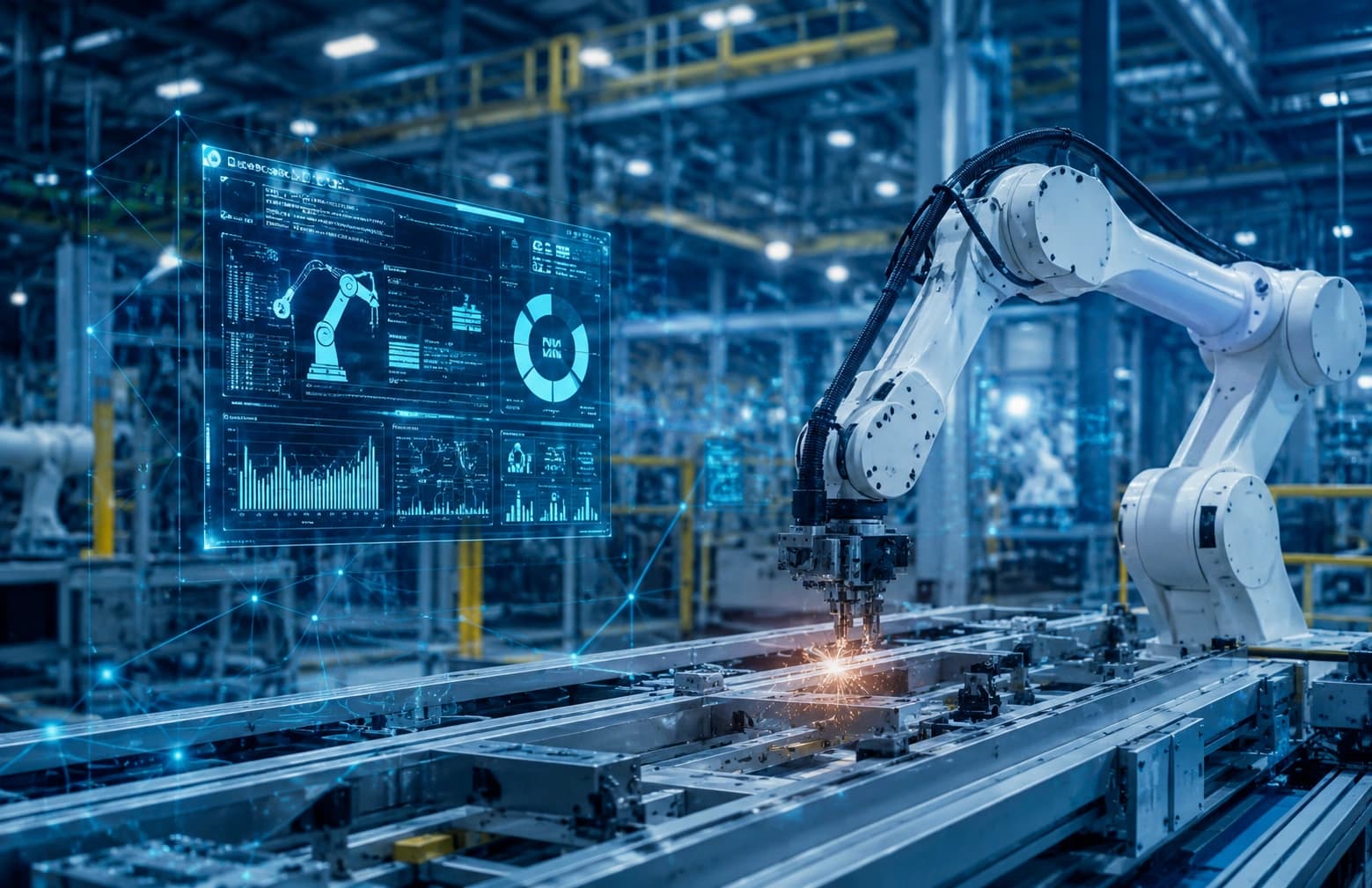
In manufacturing, AI API integration enables machines, sensors, and systems to communicate intelligently.
Edge APIs analyze production data in real time to detect inefficiencies.
Predictive maintenance APIs minimize downtime and extend asset life.
Quality control APIs powered by computer vision inspect defects at scale.
As AI-driven robotics APIs advance, factories will become self-regulating ecosystems capable of adapting production lines based on live demand and resource availability.
Logistics & Supply Chain
Logistics networks thrive on precision, and AI APIs deliver exactly that.
Route optimization APIs use AI to predict traffic, fuel costs, and delivery times.
Inventory tracking APIs offer real-time shipment visibility.
AI orchestration APIs dynamically allocate fleets based on predictive demand models.
By 2026, expect autonomous logistics agents that self-coordinate warehousing, shipping, and customs clearance.
Energy & Utilities
AI APIs are helping energy providers and governments build data-driven sustainability ecosystems.
IoT-integrated APIs monitor energy distribution across grids in real time.
Predictive analytics APIs balance demand and prevent outages.
Sustainability APIs track emissions, energy efficiency, and carbon credits.
As quantum and AI models converge, expect smarter renewable energy forecasting and predictive carbon optimization to dominate the next era of clean energy transformation.
Public Sector & Smart Cities
Governments and municipalities are using AI APIs to power citizen-centric governance.
Urban analytics APIs optimize traffic, waste, and water management.
Civic engagement APIs analyze sentiment and service requests.
Surveillance and safety APIs enhance emergency response systems.
Through AI-powered data orchestration, public agencies can drive smarter policies, transparency, and faster citizen services.
Media & Entertainment
AI APIs are reshaping how content is created, personalized, and delivered.
Generative AI APIs assist in scriptwriting, audio mixing, and video creation.
Audience analytics APIs predict trends and optimize ad placements.
Voice and translation APIs enable multilingual, accessible entertainment.
In 2026, real-time co-creation APIs will allow audiences to influence storylines and experiences to blur the line between creator and consumer.
Whether it’s GenAI-powered analytics for healthcare, autonomous fleet intelligence for logistics, or AI-driven compliance tools for finance, Seasia builds the bridges that transform operations into opportunities.
The Technical Framework – How Integration Works
Seamless AI API integration requires a robust framework that ensures reliability, performance, and scalability.
Connecting AI APIs with Enterprise Systems: Middleware and integration layers connect AI services with CRMs, ERPs, and data warehouses.
Data Readiness and Orchestration: Clean, well-structured data is key. API orchestration ensures synchronization across systems.
MLOps and AIOps: Continuous deployment pipelines maintain model performance and uptime.
API Marketplaces: Platforms like AWS, Azure, and Seasia’s own integration frameworks accelerate innovation through reusable, prebuilt APIs.
Measuring ROI and Performance Metrics
In the age of intelligent automation, the true ROI of AI API integration goes beyond operational cost savings to cover measurable intelligence, sustained agility, and business evolution.
Organizations investing in AI APIs must track both technical performance and strategic impact, ensuring every integration contributes to long-term enterprise value.
Business Impact Metrics Beyond Cost Efficiency
Innovation Velocity: How quickly can your enterprise deploy, test, and scale AI-driven products?
Revenue Growth: Measuring uplift from personalization, automation, and real-time decision-making.
Customer Lifetime Value (CLV): Quantifying the effect of AI-powered personalization on retention and satisfaction.
Employee Productivity: Evaluating automation’s impact on workforce efficiency and creativity.
Technical Performance Metrics
Accuracy & Precision: Are your AI models performing reliably across real-world scenarios?
Latency & Response Time: Particularly critical in edge and cloud hybrid integrations for sectors like automotive and healthcare.
Interoperability: How effectively APIs exchange data across diverse systems and providers.
Scalability: Measuring how well the architecture handles increased API calls and complex workloads.
Governance & Compliance Metrics
Model Transparency & Explainability: Tracking adherence to ethical AI and regulatory frameworks like GDPR, HIPAA, and ISO 27001.
Security Posture: Evaluating encryption standards, token management, and zero-trust integration protocols.
Sustainability KPIs: Monitoring the carbon and energy footprint of AI workloads, as enterprises shift toward green AI adoption.
Continuous ROI Optimization
The ROI of AI API integration compounds over time when paired with data-driven iteration. With MLOps and AIOps pipelines, enterprises can continuously measure performance, retrain models, and recalibrate resource allocation, turning AI from a one-time investment into an evolving asset.
Building a Future-Ready AI API Strategy with Seasia Infotech
The next chapter of digital transformation belongs to enterprises that treat AI integration not as an initiative, but as an architecture.
In a world powered by GenAI, edge computing, and agentic intelligence, APIs are cognitive conduits that enable seamless collaboration between humans and machines.
To stay competitive, organizations must:
Start with data readiness by ensuring clean, compliant, and contextual data flows.
Adopt a modular integration strategy using LLMs, multimodal APIs, and hybrid architectures.
Establish governance frameworks for secure, ethical, and sustainable AI operations.
Partner strategically with experienced integration experts who understand both technology and business outcomes.
At Seasia Infotech, we help enterprises build this foundation by connecting intelligent systems, orchestrating real-time insights, and driving sustainable transformation across industries.
From custom AI-powered API ecosystems to end-to-end integration roadmaps, we ensure your enterprise doesn’t just adopt AI but evolves with it.
Future-Proof Your Enterprise with Intelligent AI API Integration by Partnering with Us.