
 Digital Transformation
From Technology Vendor to True Business Partner: Transforming Client Relationships in the AI Era
For a long time, technology service providers were satisfied with being called “vendors.” Our job was clear: deliver the solution, meet the budget, and stick to the requirements. However, the digital world is changing rapidly and this traditional approach is no longer sufficient.
Today’s clients are seeking more than just a delivery team; they want partners who can share ideas, challenge the ordinary, and collaborate to create genuine value.
AI is Not Just Another Tool
A significant reason for this shift is the advancement of artificial intelligence. AI isn’t just another tool; it’s changing how businesses think, operate, and interact with customers. As a result, clients now expect technology partners to do more than respond to requests. They want partners who stay one step ahead, anticipate what’s around the corner, and help shape what’s possible. In this environment, we must move from building solutions to enabling powerful business results.
The Conversations That Matter
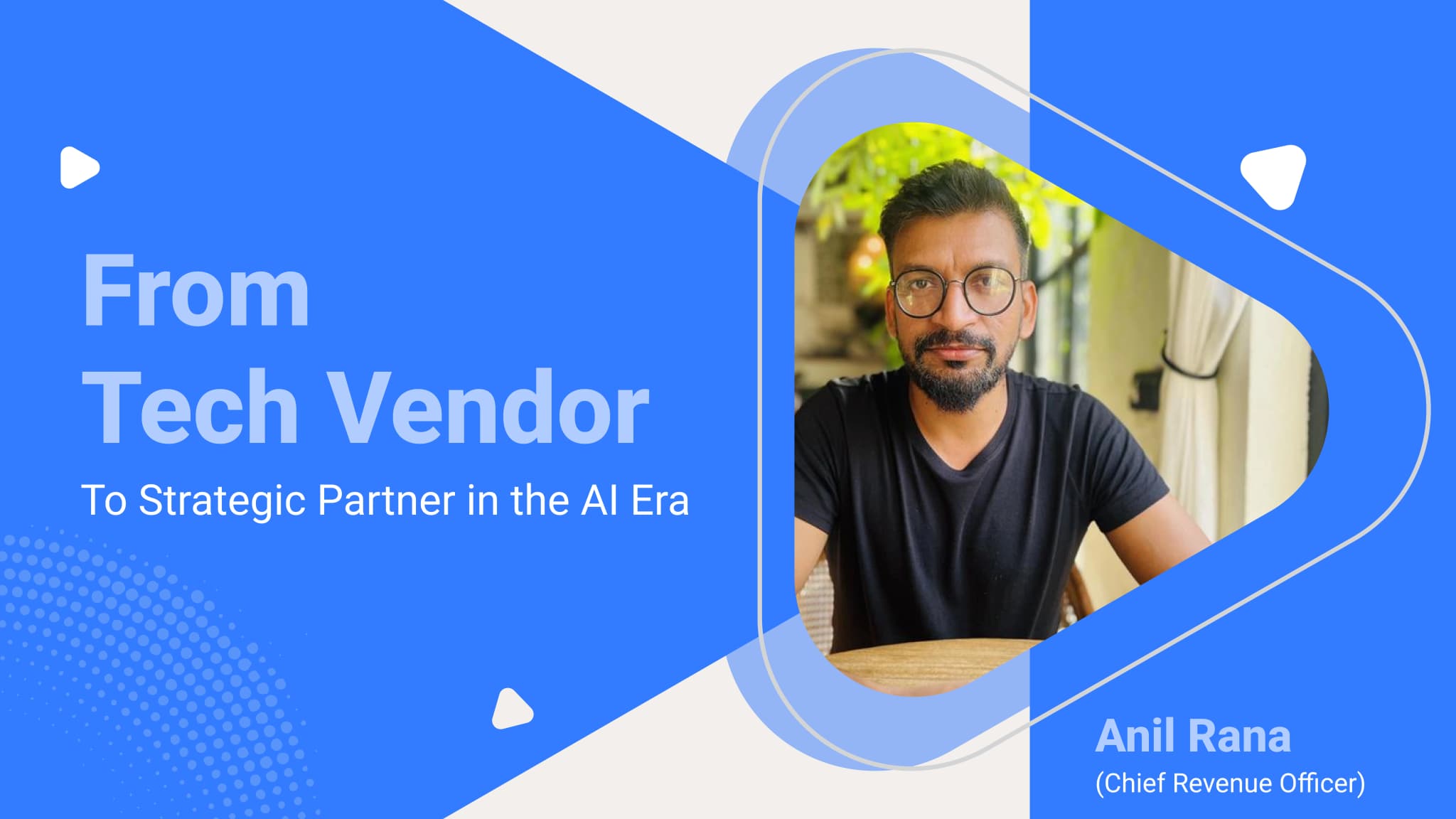
In my role as Chief Revenue Officer, I’ve noticed that the most meaningful discussions no longer focus on which technology to implement. Instead, they revolve around practical outcomes: “How can we grow revenue streams?” or “What unique customer experiences can we deliver?” When we’re talking at this level, we’re not just vendors—we’re strategic partners invested in our clients’ success.
When we ask 'How can we grow your revenue streams?' - We're not just vendors anymore. We're strategic partners invested in our clients' success."
Adapting How We Work with Clients
Adapting to this new era means changing how we work with clients. For us at Seasia, it begins with truly listening and asking thoughtful questions so we can understand not just the technical requirements, but also the business goals and challenges behind them. Our teams bring together industry knowledge, technical skills, and a consultative mindset—qualities that transform basic projects into long-term partnerships.
AI has played a big part in this transition. Whether it’s automating routine insurance processes, streamlining logistics, or designing more thoughtful user journeys, our conversations now focus on what can be achieved, not just what must be done. This is where we make a difference—by turning the promise of new technologies into real business advantages.
The Future Belongs to the Trusted
Looking ahead, I believe the most successful technology firms won’t necessarily be the ones with the biggest engineering departments. Instead, they’ll be the firms that clients trust to help shape their strategic direction. Our clients’ growth will increasingly depend on our ability to be adaptive, proactive, and insight-driven partners.
To truly enable business in the AI era, we must take responsibility for outcomes—not just deliverables. This is a huge responsibility, but it is also a privilege, and one that we as leaders should fully embrace.
Related Articles

The Hidden Environmental Cost of Artificial Intelligence
AI may feel effortless to users, but every query depends on energy, cooling and infrastructure. This article explores why the AI industry must make sustainability part of innovation.

The Rise of Autonomous SDLC: How AI Agents Are Redefining Software Delivery
Discover how Autonomous SDLC is reshaping software engineering with AI agents that automate development, testing, deployment, and governance while empowering teams to build better software faster.
Leading in the Age of AI: Strategies for Scalable Innovation
Learn how enterprise leaders can scale AI responsibly, transform operating models, and turn intelligent automation into measurable business value.