
Charging Delays
Carriers needed a way to know whether charging capacity would be available before a vehicle reached a charging station. Without advance booking, waiting at charging facilities could increase both vehicle idle time and delivery time.

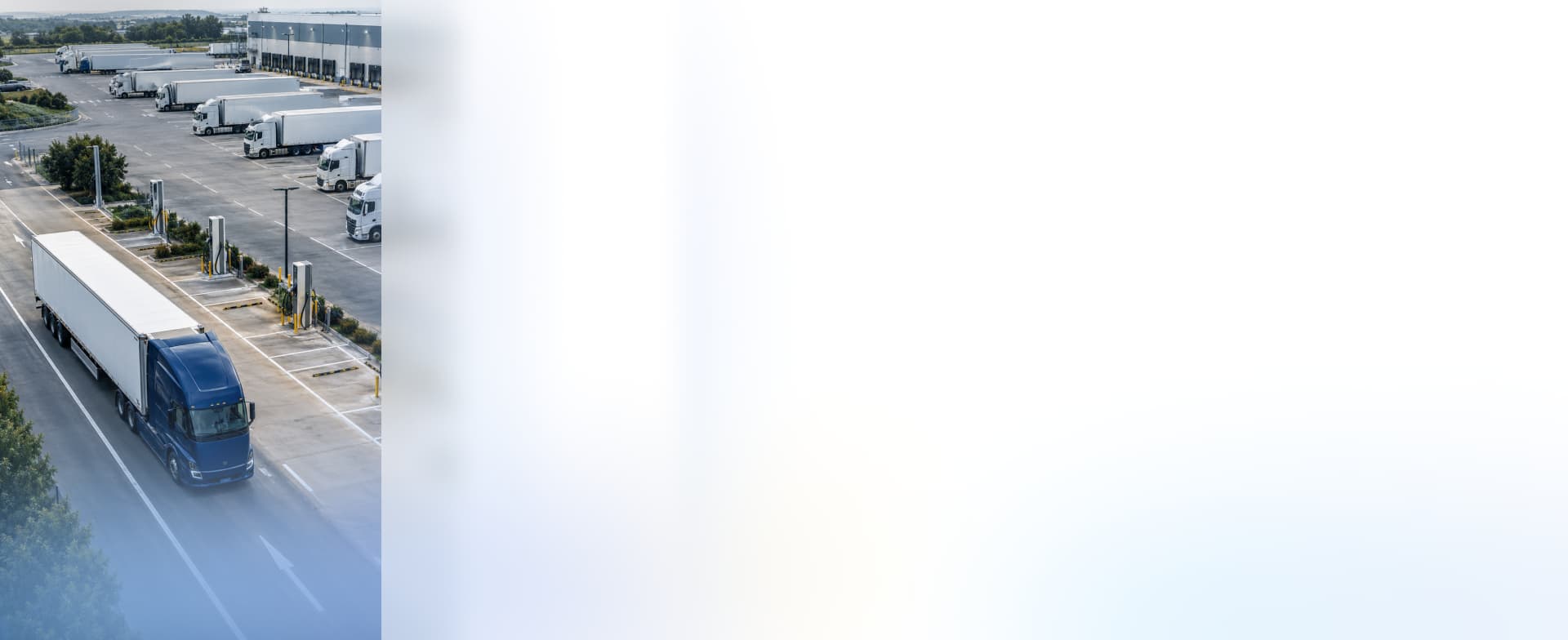
Seasia developed Empower, a digital ecosystem designed to coordinate electric freight operations across carriers, charging infrastructure operators, and utilities. The platform helps carriers reserve charging slots in advance, reduce charging-related delays, and identify more efficient freight lanes.
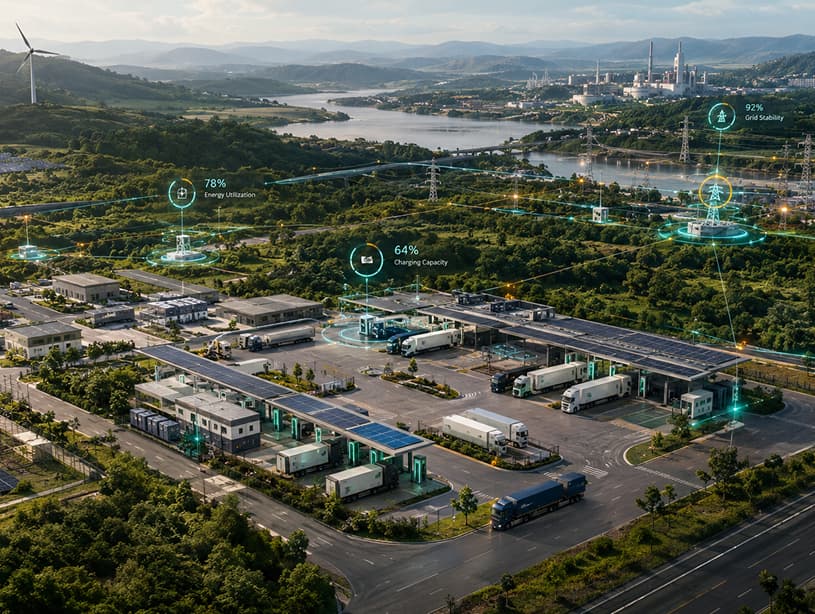
Empower is an electric freight management platform designed to address the operational complexity that emerges as commercial fleets transition toward electric transportation.
The solution connects freight carriers, charging infrastructure operators, and electricity utilities so each stakeholder can make better decisions using shared operational information.
Carriers can plan charging before reaching a facility, infrastructure managers gain advance visibility into arriving vehicles, and utilities receive better insight into expected electricity demand at charging locations.
Electric freight introduces operational dependencies that traditional logistics systems are not designed to manage. Vehicle availability, charging slots, delivery schedules, charging station capacity, and electricity demand all need to work together.
Key challenges included:
Carriers needed a way to know whether charging capacity would be available before a vehicle reached a charging station. Without advance booking, waiting at charging facilities could increase both vehicle idle time and delivery time.

Electric freight operations needed routes that were not only geographically practical but also commercially and operationally efficient. Carriers required better insight into lane profitability, charging requirements, and transit time.

Facility managers needed advance information about incoming carriers so they could prepare charging capacity, manage operations, and improve station utilization.

Charging multiple commercial vehicles creates significant demand on local energy infrastructure. Facility managers needed greater ability to stagger arrivals and identify more efficient charging periods to avoid unnecessary peak demand.

Utilities needed more visibility into charging-station electricity requirements to support grid planning and reduce the risk of demand exceeding available capacity.

Carriers also needed better visibility into vehicle charging status and operational readiness before vehicles returned to the road.
Seasia developed Empower around coordinated data exchange between the three parties critical to electric freight operations: carriers, charging infrastructure managers, and utilities.

Carriers can reserve charging slots before reaching a charging facility. This provides greater certainty around charging availability and can reduce charging station wait times, vehicle idle time, delivery delays, and unplanned route disruption.

Empower uses AI-driven analysis to recommend freight lanes based on profitability and delivery efficiency. The recommendation engine analyzes operational data to help identify routes that can improve revenue potential while reducing unnecessary transit time.

The platform helps carriers monitor vehicle charging status and manage freight operations around EV charging requirements. This supports better fleet readiness and operational compliance.

Charging facility managers receive advance information about vehicles expected to arrive. This enables them to plan station resources more effectively and manage charging activity before carriers reach the facility.

Facility managers can identify more efficient charging times and stagger vehicle arrivals to reduce peak electricity demand.

Empower connects charging infrastructure operators with electricity providers, creating better visibility into expected power demand. Utilities can use this information to support grid management and ensure charging demand can be accommodated.

Charging-slot status and related operational information can be surfaced to carriers, helping drivers and fleet operators plan routes and arrival times more effectively.
 VueJS
 Google Maps API
Empower creates a shared operating layer for stakeholders that would otherwise manage freight movement, charging infrastructure, and electricity demand independently.
Carriers can schedule charging in advance, helping reduce uncertainty when planning electric freight journeys.
Advance charging availability can reduce time spent waiting at charging stations and help improve delivery efficiency.
Carriers receive data-driven recommendations designed to improve route profitability, transit efficiency, and operational decision-making.
Charging-status visibility helps carriers ensure electric freight vehicles are sufficiently charged before returning to service.
Advance arrival information allows infrastructure managers to plan charging capacity and maximize station utilization.
Greater visibility into upcoming carrier demand can help facilities optimize pricing and occupancy opportunities.
More efficient charging schedules and staggered arrivals can reduce peak energy usage and improve electricity utilization.
Real-time charging-slot information helps carriers make more informed decisions about routes and arrival schedules.
Utilities gain greater visibility into electricity demand at charging locations, supporting better planning and grid management.
By enabling more effective operation of electric freight networks, the platform supports the broader objective of reducing transportation-related emissions.
Whether you need fleet charging coordination, reservation management, AI-powered route recommendations, charging infrastructure management, or utility integration, Seasia can help build the digital layer connecting your EV logistics ecosystem.
The intelligence layer behind how Seasia teams plan, engineer, test, release, and govern enterprise software.